Crown Reduction vs. Selective Pruning: Which Approach Fits Your Tree?
When a tree outgrows its space, homeowners often wonder whether to reduce the crown as a whole or to remove select branches one by one. Both methods aim to keep the tree safe and healthy, but they serve different purposes. Understanding the difference between crown reduction and selective pruning helps you choose the right approach for your situation.
Tree trimming is about more than just shaping. It affects how a tree grows, how it handles storms, and how long it lives. A tree service professional evaluates the tree's structure, species, and location before deciding which technique works best. The choice between crown reduction and selective pruning depends on what you want to achieve: controlling size, improving health, or preparing for severe weather.
What is Crown Reduction?
Crown reduction reduces the overall size of a tree's canopy by cutting back the ends of branches to a lateral branch that is large enough to take over. This method preserves the tree's natural shape while lowering its height and spread. Arborists use crown reduction when a tree has grown too large for its surroundings, such as near a house, power line, or driveway.
Proper crown reduction requires skill. Each cut must be made at a branch collar that can sustain the remaining limb. If cuts are made too far back or too close to the trunk, the tree can develop decay or weak regrowth. A good reduction removes no more than one-quarter of the live crown in a single season. Taking more can stress the tree and lead to dieback.
Crown reduction is often the right choice when you need roof clearance or want to reduce wind resistance before a storm. It also helps when a tree has suffered storm damage and needs rebalancing. The goal is to keep the tree healthy while making it safer for the property below.
What is Selective Pruning?
Selective pruning removes individual branches based on their condition or position. This approach targets dead branches, crossing limbs, or branches that rub against each other. It also includes clearance pruning to lift the canopy for walkways or views, and structural pruning to improve the tree's long-term shape.
Unlike crown reduction, selective pruning does not aim to shrink the overall canopy size. Instead, it focuses on removing problem branches while maintaining the tree's natural form. Arborists look for branches with weak attachments, cracks, or disease. Removing these reduces the risk of limb failure during storms.
Selective pruning is ideal for young trees that need structural pruning to develop a strong scaffold of main branches. It also suits older trees that need deadwood removal or that have grown lopsided after a storm. Because it removes less live wood than crown reduction, selective pruning is usually less stressful for the tree.
Comparing the Two Methods
The main difference between crown reduction and selective pruning is the goal. Crown reduction changes the tree's size. Selective pruning changes the tree's condition. If a maple has grown too tall for its spot near a house, crown reduction brings it down to a safer height. If the same maple has a few dead branches and some crossing limbs, selective pruning cleans it up without changing its overall size.
Both methods require an understanding of tree biology. Cuts must respect the branch collar and avoid damaging the trunk. Poor pruning can leave stubs that invite pests and decay. A certified arborist knows where to cut so the tree can seal the wound and continue growing.
Timing matters too. Crown reduction is often done in late winter or early spring before leaves emerge, so the tree can respond with strong new growth. Selective pruning can be done at any time, but avoiding the spring sap flow of maples and birches is wise. Dead branches can be removed whenever they are spotted.
Cost and frequency also differ. Crown reduction is a larger job that may only be needed every five to ten years, depending on the species. Selective pruning, especially deadwood removal, might be done every two to three years to keep the tree in good shape. Both are investments in the tree's long-term health and the safety of your property.
When you work with a local provider like Tree Service Dallas GA, you get an assessment that considers your tree's species, age, and location. That evaluation determines whether crown reduction or selective pruning is the better choice. The same company that handles emergency storm response and stump grinding also performs careful trimming that respects the tree's biology. Tree Service Dallas GA focuses on keeping trees healthy while protecting homes and yards.
When to Choose Crown Reduction
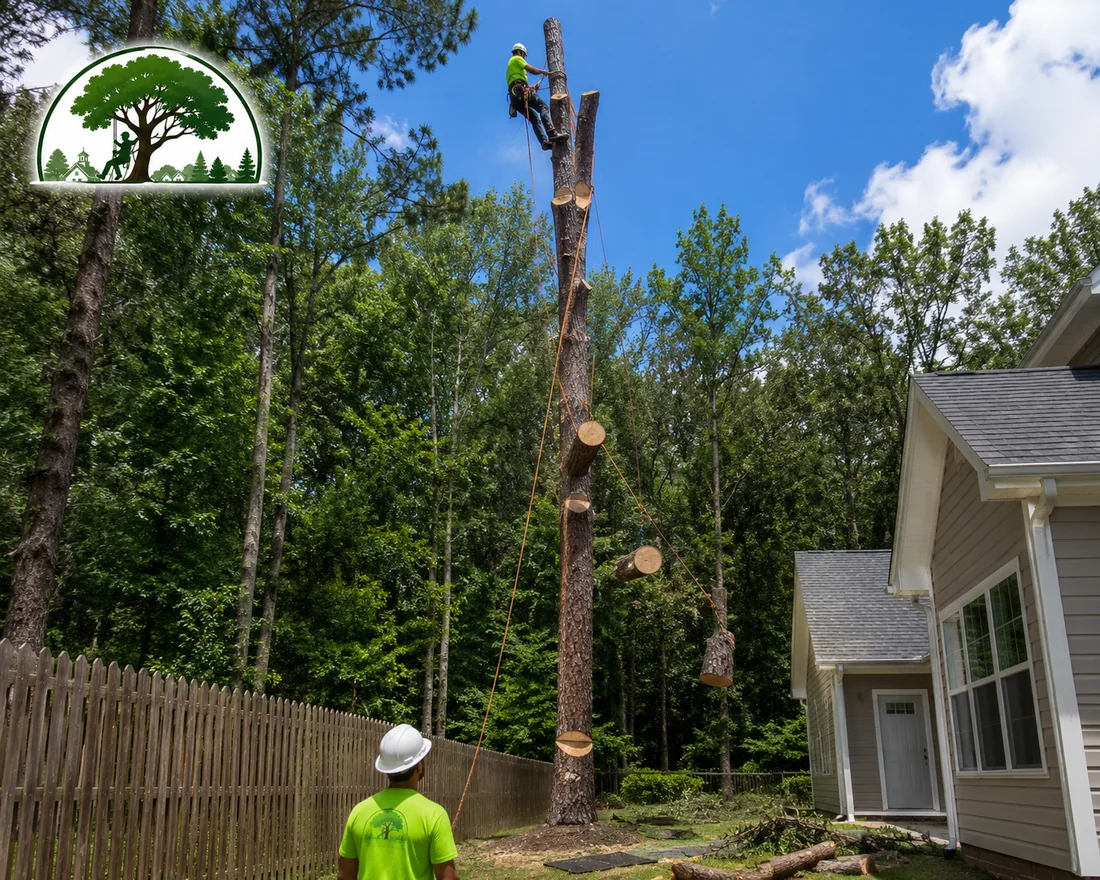
Consider crown reduction when a tree has outgrown its space. Signs include branches touching the house, limbs hanging over the roof, or a canopy that blocks sunlight from a garden. Trees that have grown too tall for their root system may also benefit from a reduction, as it reduces the leverage of wind on the trunk.
Crown reduction is also useful for storm preparation. Reducing the canopy's sail area makes the tree less likely to upend or lose large limbs in high winds. However, it must be done correctly. Badly done reductions that leave long stubs or remove too much foliage can cause the tree to send up weak water sprouts that are more dangerous than the original branches.
If a tree has already been topped in the past, crown reduction may help restore a more natural shape over time. Topping is harmful and never recommended, but a gradual reduction can help a topped tree recover. This process takes years and requires patience, but it is better than removing the tree entirely.
When to Choose Selective Pruning
Selective pruning is the go-to method for maintenance. If your tree has a few dead branches, some crossing limbs, or a lopsided shape, selective pruning can fix those issues without changing the tree's size. It is also the best choice for young trees that need structural pruning to develop a strong, balanced crown.
Clearance pruning is a form of selective pruning that lifts the lower branches so people and vehicles can pass underneath. It also keeps branches away from rooflines and gutters. This kind of work is often needed for trees near driveways, sidewalks, or patios.
Selective pruning is less invasive than crown reduction, so it is easier on the tree. It also allows the arborist to respond to specific problems, such as a cracked limb that could fall on a shed. Because it removes fewer live branches, the tree retains more of its energy reserves and leaf surface for photosynthesis.
Making the Decision
Neither method is universally better. The right choice depends on the tree's condition, its location, and your goals. A healthy tree that has simply grown too large for its spot needs crown reduction. A tree with a few problem branches but plenty of room to grow needs selective pruning. Many trees benefit from a combination of both over their lifetime.
Talk to a certified arborist who can inspect the tree and explain the options. They will check for signs of decay, weak branch attachments, and overall crown structure. They will also consider the tree's species, as some trees respond better to reduction than others. For example, oaks and maples usually tolerate reduction well, while pines and other evergreens often do not regrow from old wood.
Good tree trimming service is about matching the method to the tree. Whether you need crown reduction to lower a towering oak or selective pruning to clean up a mature elm, the goal is the same: a healthy, safe, and beautiful tree that adds value to your property for years to come.